Which Gaming Desktops Have the Highest-Wattage Power Supplies?
The short answer is simple: the gaming desktops with the biggest power supplies are usually premium prebuilts built around flagship GPUs, strong cooling, and room for later upgrades. In 2026, those systems often ship with 1000W to 1600W power supplies, while most gaming PCs stay far below that.
That gap matters because a huge PSU is not a speed boost by itself. It matters when a desktop packs high-draw parts, handles short power spikes, or leaves room for a future GPU swap. The useful question is not who has the biggest number, but which desktops actually need it.
What counts as a high-wattage gaming desktop PSU in 2026?
For most gaming desktops, 750W to 850W is still the normal range. Once you move to 1000W or more, you are usually looking at a high-end machine. At 1500W to 1600W, you are in enthusiast territory, where the power supply is built for serious headroom.
This quick table makes the ranges easier to compare:
| PSU wattage | What it usually means |
|---|---|
| 750W to 850W | Mainstream to upper-midrange gaming desktops |
| 1000W to 1200W | High-end systems with flagship GPUs and CPUs |
| 1500W to 1600W | Extreme enthusiast builds with maximum upgrade room |
The takeaway is clear: 1000W is high, 1200W is premium, and 1500W plus is rare in normal gaming desktops.
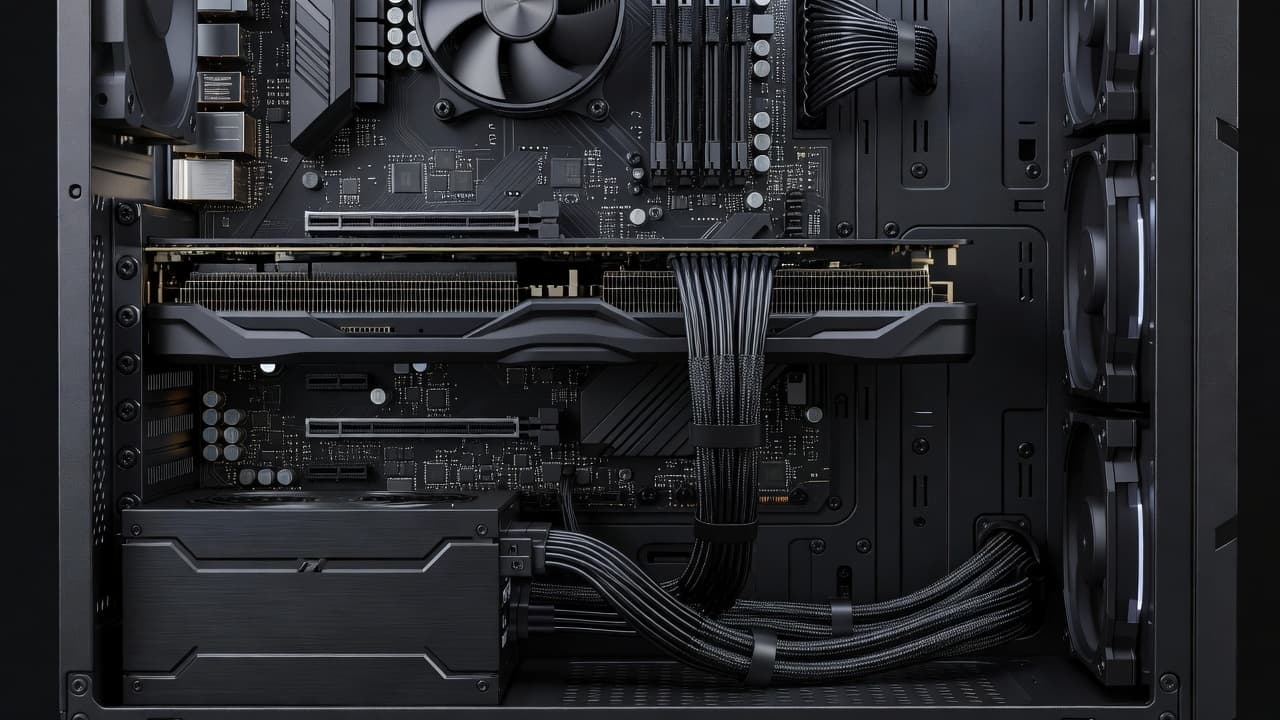
When 1000W is enough, and when 1500W makes sense
A 1000W unit is enough for many top-end gaming PCs. If the desktop has one fast GPU, a strong CPU, several drives, and good cooling, that range usually covers it well.
A 1500W unit makes sense when the builder wants more breathing room. That can help with overclocking, heavy all-core CPU loads, custom liquid cooling, or a later jump to an even bigger graphics card. Top GPUs in 2026 can pull roughly 400W to 600W under load, so headroom matters more than it did a few years ago. If you want a quick estimate before buying, Newegg's PSU calculator is a useful starting point.
Why a bigger PSU does not mean higher power bills
This trips up a lot of buyers. A 1500W power supply does not pull 1500W all day.
Your desktop only draws the power its parts need at that moment. If the system is using 450W while gaming, the PSU supplies about that much. A larger unit can even run cooler and quieter at moderate load, because it is not working near its limit.
Gaming desktops that usually ship with the highest wattage power supplies
If you want to know which gaming desktops come with the highest wattage power supplies, start at the top of each brand's lineup. The biggest PSUs usually appear in flagship towers, boutique prebuilts, and premium compact systems with expensive graphics cards. Still, the exact PSU can change by region, model year, or SKU, so always read the full spec page before you buy.
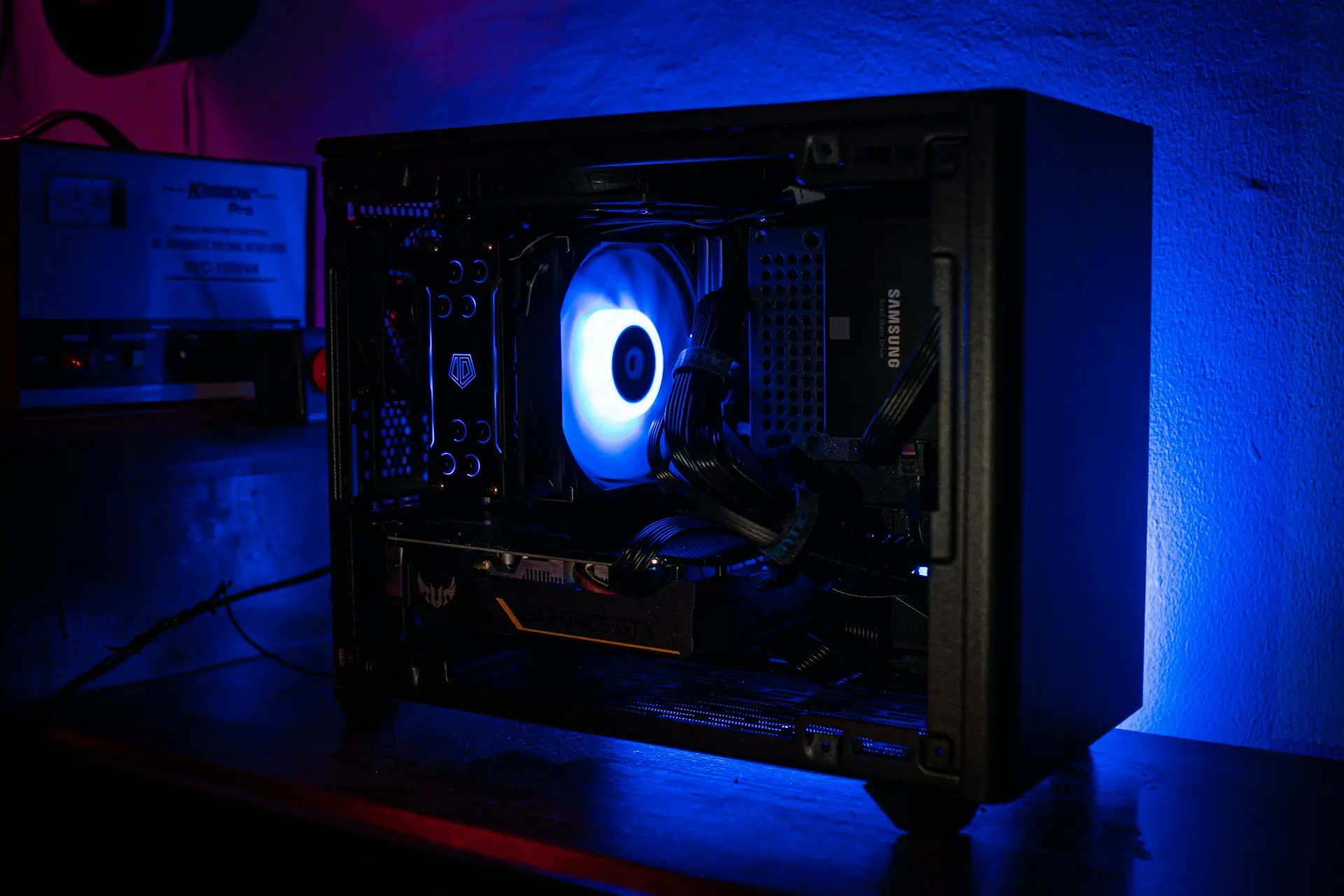
Flagship prebuilt towers from major brands
The most likely desktops to include 1200W or higher power supplies are large premium towers from brands such as Alienware, Corsair, ASUS, MSI, and HP Omen. Boutique builders also sit in this group, because they often sell desktops configured around the fastest available GPU and CPU combination.
These towers usually have bigger cases, stronger airflow, and motherboards built for high-end parts. That makes them the natural home for oversized PSUs. If you are comparing a prebuilt against a semi-custom option, these reliable PSU picks for high-end builds give a good sense of the wattage and standards serious systems use today.
Small form factor gaming desktops with surprisingly strong PSUs
Compact desktops are no longer stuck with weak power supplies. In premium mini-ITX and small form factor builds, 1000W and even 1200W SFX-L units now show up in machines that look much smaller than a full tower.
That is why size alone can fool you. A compact gaming desktop with a top GPU and a modern high-density PSU may offer more power headroom than a cheaper mid-tower. ASUS's ROG Loki line, for example, has reached 1200W in SFX-L form, which shows how far compact power design has moved.
Examples of the highest-wattage PSU classes buyers may see
In the real market, 1200W to 1300W units are common in serious high-end desktops. Once you hit 1500W, you are looking at hardware classes such as the Corsair HX1500i or NZXT C1500 Platinum. At the very top, 1600W consumer units such as the Seasonic Prime TX-1600 exist for extreme builds.
Seeing a PSU in that class usually tells you two things. First, the desktop is built for a flagship GPU. Second, the builder wants extra room for spikes, upgrades, or both.
How to tell if a gaming desktop really needs a huge power supply
A huge PSU is smart only when the parts demand it. Otherwise, you are paying for headroom you may never use.
The parts that drive power use the most
The graphics card is the main power draw in most gaming desktops. The CPU comes next, especially if it is a top-tier chip that boosts hard under load.
Power spikes matter too. A desktop may look fine on paper, then ask for much more power in short bursts. That is why high-end systems benefit from extra PSU headroom. If you are sizing a machine around a modern flagship GPU, this guide to power requirements for flagship gaming builds shows why 850W, 1000W, and above can all make sense depending on the parts.
Signs a desktop has more wattage than the average gaming PC
A few clues usually point to a larger-than-average PSU:
- The case is a full tower with room for major cooling hardware.
- The specs list a flagship graphics card and a top CPU.
- The system mentions factory overclocking or upgrade-ready power delivery.
- The desktop uses premium liquid cooling and several fans or pumps.
- The product page calls out ATX 3.x support or modern high-power GPU connectors.
Those signs do not guarantee a 1500W unit, but they do tell you the desktop is built above the mainstream tier.
Conclusion
The gaming desktops most likely to ship with the biggest power supplies are flagship towers and compact enthusiast systems, and the usual range is 1200W to 1600W. Those machines are built for the fastest GPUs, heavy CPU loads, overclocking, or later upgrades.
Most players still do not need that much wattage. If you are shopping for a premium rig, the safest move is to ignore the marketing headline and check the exact PSU spec on the configuration page before you buy.